Delicious Books, Beauty Shocks
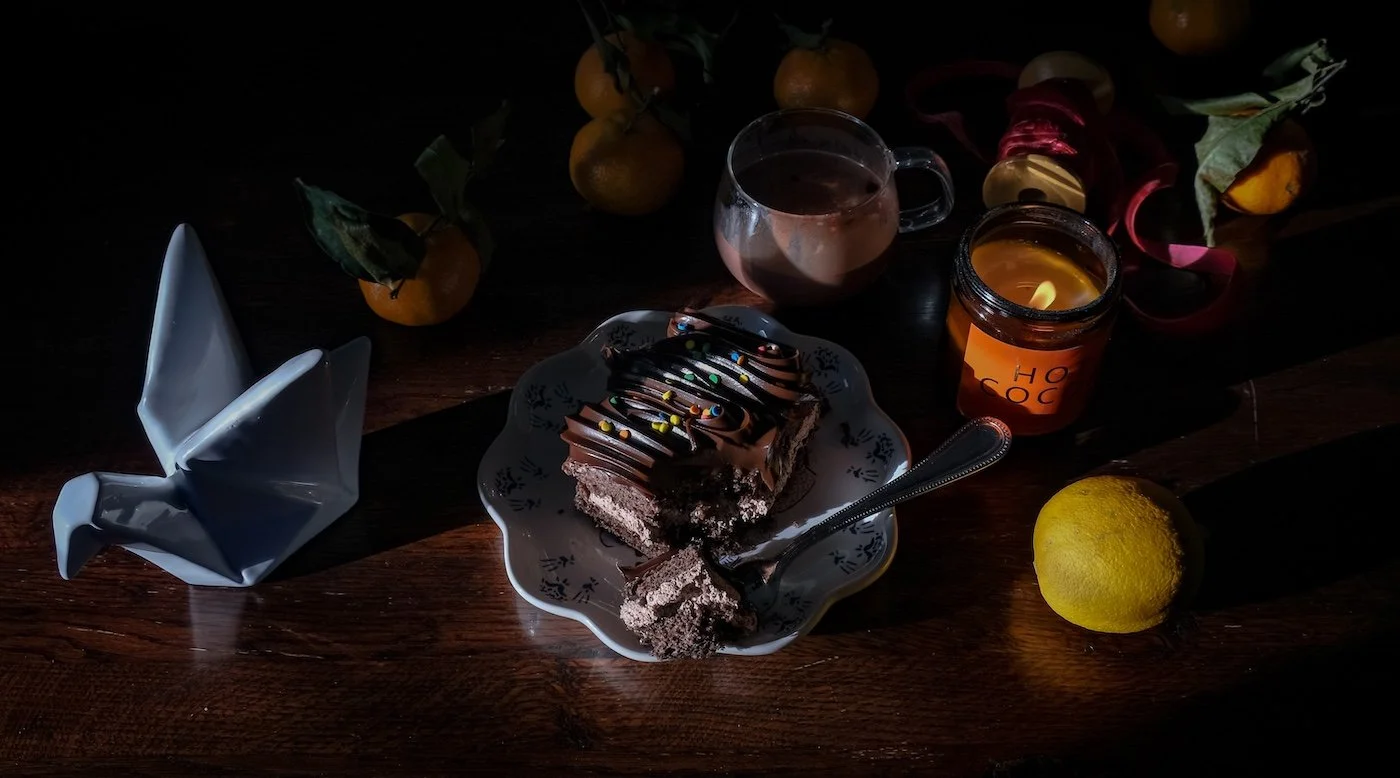
I’m never far away from the words by Mem Fox, who said in her book Reading Magic: “When I say to a parent, ‘read to a child’, I don't want it to sound like medicine. I want it to sound like chocolate.” And I think this is true for adults, too, and which is why sentences are so important. While I think reading is probably the most important thing you can do for yourself, telling people “it’s good for you” is never going to draw anyone to a book. I myself want books that are delicious, whose sentences have that old razzle-dazzle.
This weekend, Elizabeth McCracken writes about starting a novel in The Guardian, and she talks about first sentences, saying, “A generic first line is a failure of nerve.”
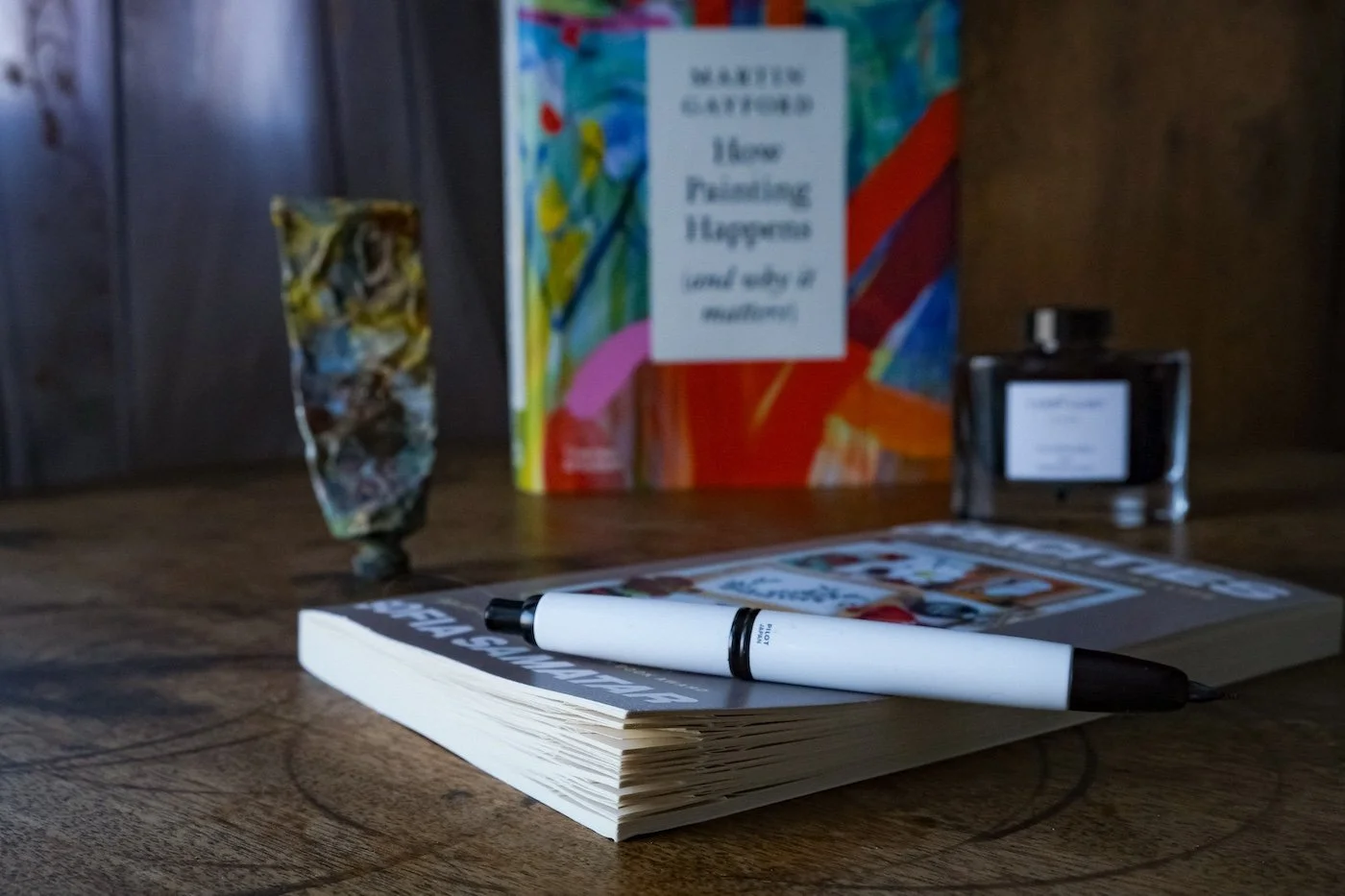
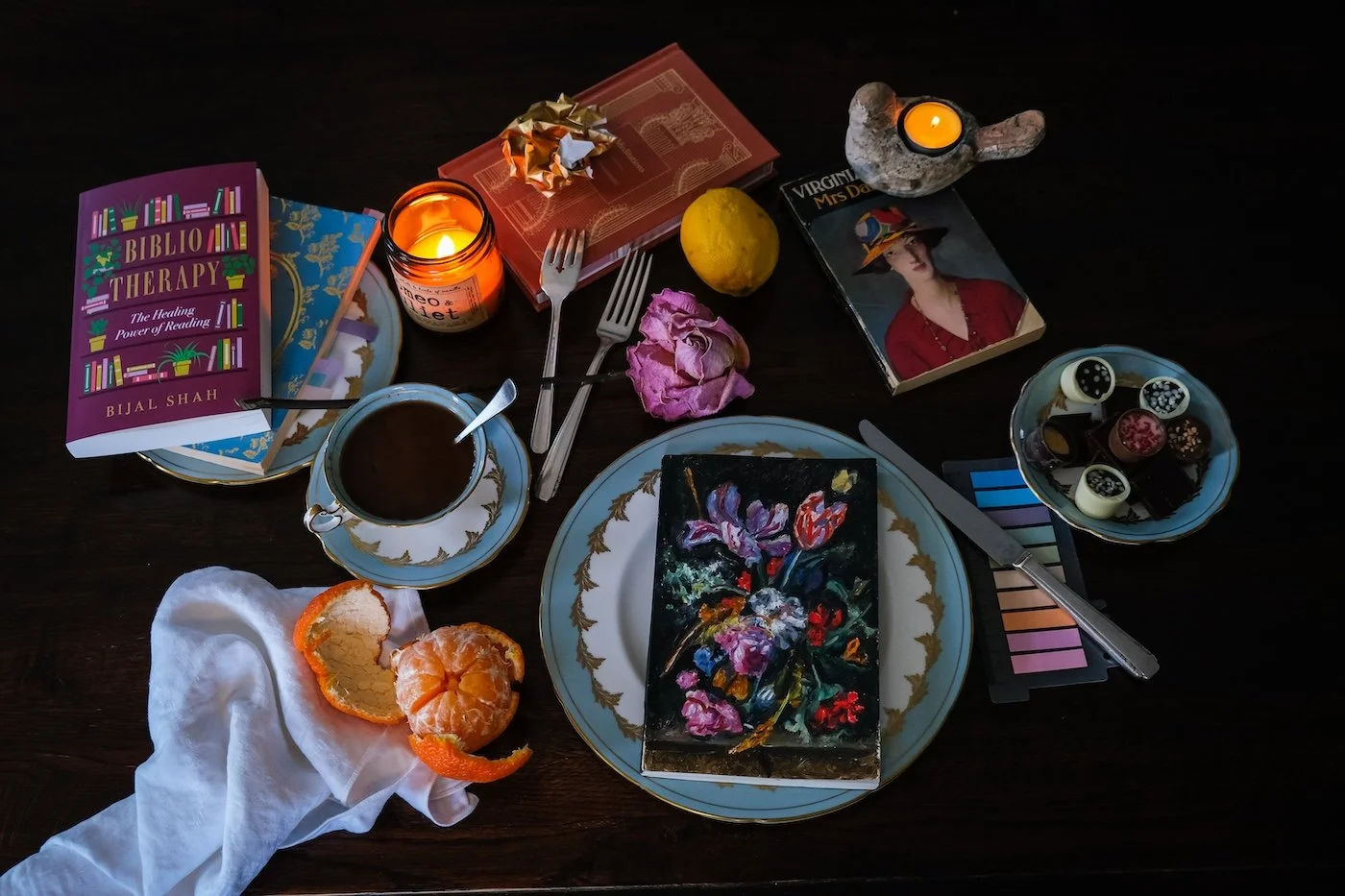
And maybe that’s why my favourite book, The Stream of Life by Clarice Lispector (pictured below in a version handpainted by my partner, Rob) excites me every time I open it. There is no failure of nerve. The first sentence is, “It’s with such intense joy.” And then, “It’s such an hallelujah. “Hallelujah,” I shout, an hallelujah that fuses with the darkest human howl of the pain of separation but is a shout of diabolical happiness. Because nobody holds me back anymore.” (Lowe & Fitz translation).
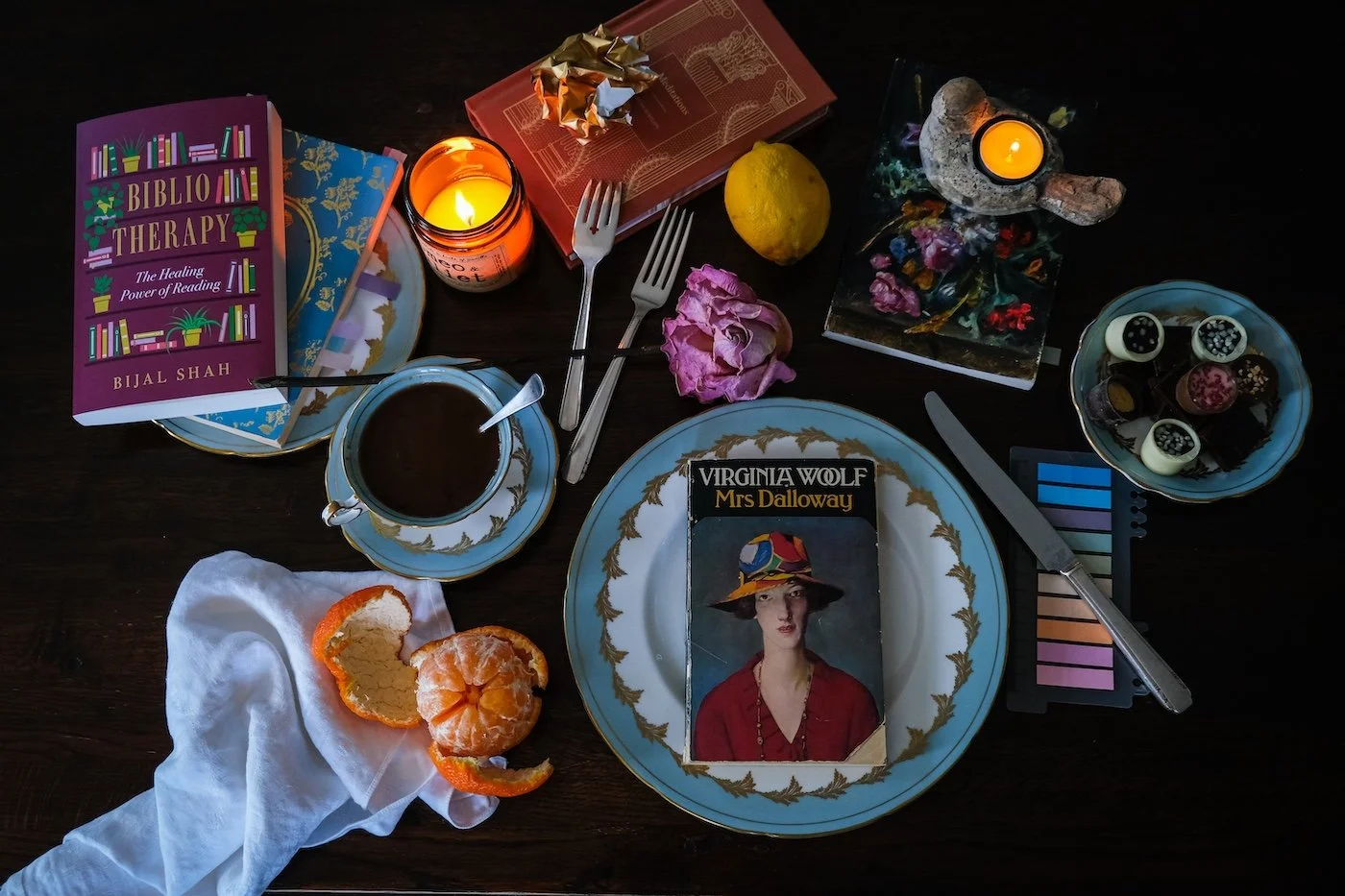
And then, remember the first line of Mrs. Dalloway by Virginia Woolf? “Mrs. Dalloway said she would buy the flowers herself.” Still so astonishingly delicious!
Not long ago, I read Fahrenheit 451 by Ray Bradbury. It’s one of those books you hear about so often that you think you’ve read it. (Maybe I had?) It seems brand new at the moment in the age of book banning. And that first sentence: “It was a pleasure to burn.”
From page 79 of the 50th Anniversary edition:
“Books were only one type of receptacle where we stored a lot of things we were afraid we might forget. There is nothing magical in them, at all. The magic is only in what books say, how they stitched the patches of the universe together into one garment for us.”
“Do you know why books such as this are so important? Because they have quality.”
“So now do you see why books are hated and feared? They show the pores in the face of life. The comfortable people want only wax moon faces, powerless, hairless, expressionless. We are living in a time when flowers are trying to live on flowers, instead of growing on good rain and black loam.”
Have you read Bradbury’s essay (included in the back of my edition) titled “Investing Dimes”? He talks about writing the book in the “typing room in the basement of the library at the University of California at Lost Angeles.” He says, “There, in neat rows, were a score or more of old Remington or Underwood typewriters which rented out at a dime a half hour. You thrust your dime in, the clock ticked madly, and you typed wildly, to finish before the half hour was out.” He goes on to talk about how writing the book changed him. “Have I changed my mind about much that it said to me, when I was a younger writer? Only if by change you mean has my love of libraries widened and deepened, to which the answer is a yes that ricochets off the stacks and dusts talcum off the librarian’s cheek.”
I cannot tell you how much I love the whole idea of putting a dime into a typewriter, forcing the writer to type madly.
Well, and libraries! I’m an advocate for going to libraries and reading, even performatively. :) There’s an amusing piece in McSweeney’s: “I STARTED READING PERFORMATIVELY, AND TURNS OUT BOOKS ARE PRETTY GOOD” by Meghan Indurti. She says, “ I’ve started going to the library, where I can be left alone. I’ve even got my own card now. And you don’t have to buy a nine-dollar latte to be there; they just let you sit down. How cool is that? Now, I’m thinking about digging deeper into other stuff I performatively do—indie films, activism, and my friendships.”
If you want to do something good in the world, you literally, yes, literally, can go and sit in a library and read a book.
This past week, I sat down and began writing my new novel in earnest. The day I began was January 8th and I was delighted to find out that this is also the day of the year that Isabel Allende starts all her novels.
I have started reading Heather Christle’s new book which has a great cover and a great title. And guess what, the poems — also great. She’s been on my radar thanks to Devin Kelly. The first lines of the book are from a poem titled, “Suggested Donation.”
“In the morning I drink
coffee until I can see
a way to love life
again…”
These are lines that are so simple really, and yet they sing. Is it the line breaks, the way the words drink, see, love act together? The way the word ink is in the word drink? The way how we want to begin each day is the beginning of a poem, a book? The word again? Because didn’t we all once love life and every morning we need to learn to do it again?
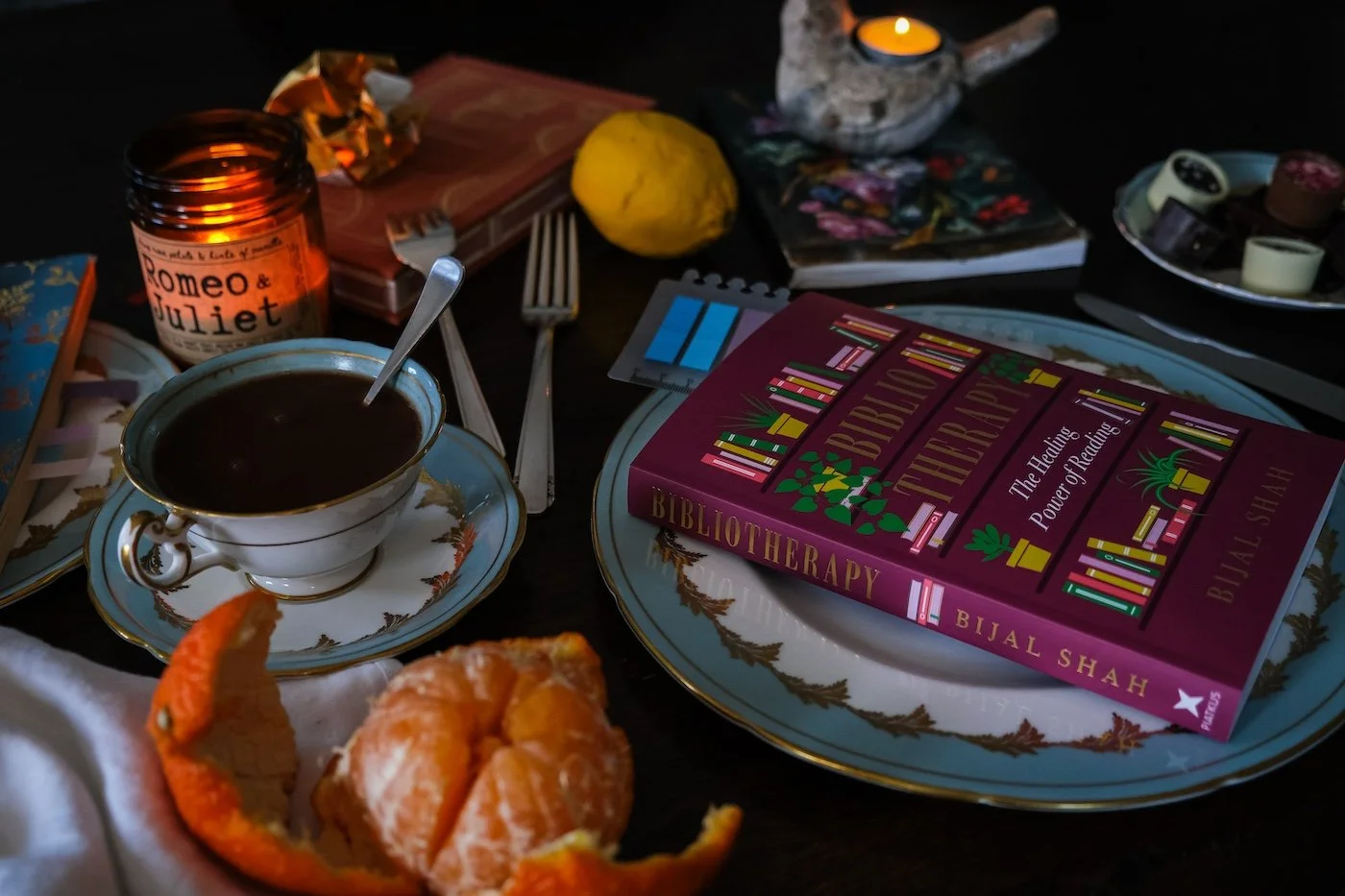
I have been reading Bibliotherapy by Bijal Shah, because I’m interested in what draws people to read and this is an approach that deserves consideration. She quotes Caroline Shrodes who says that “bibliotherapy is made possible by the ‘shock of recognition’ the reader experiences” when they behold themselves. This line made me think of the writing of Kathleen Stewart in her brilliant and resonant Ordinary Affects. She talks about fragments of memory from childhood as coming to her as “shocks of beauty.” And also still lifes as turning into a “dreaming scene, if only for a minute.”
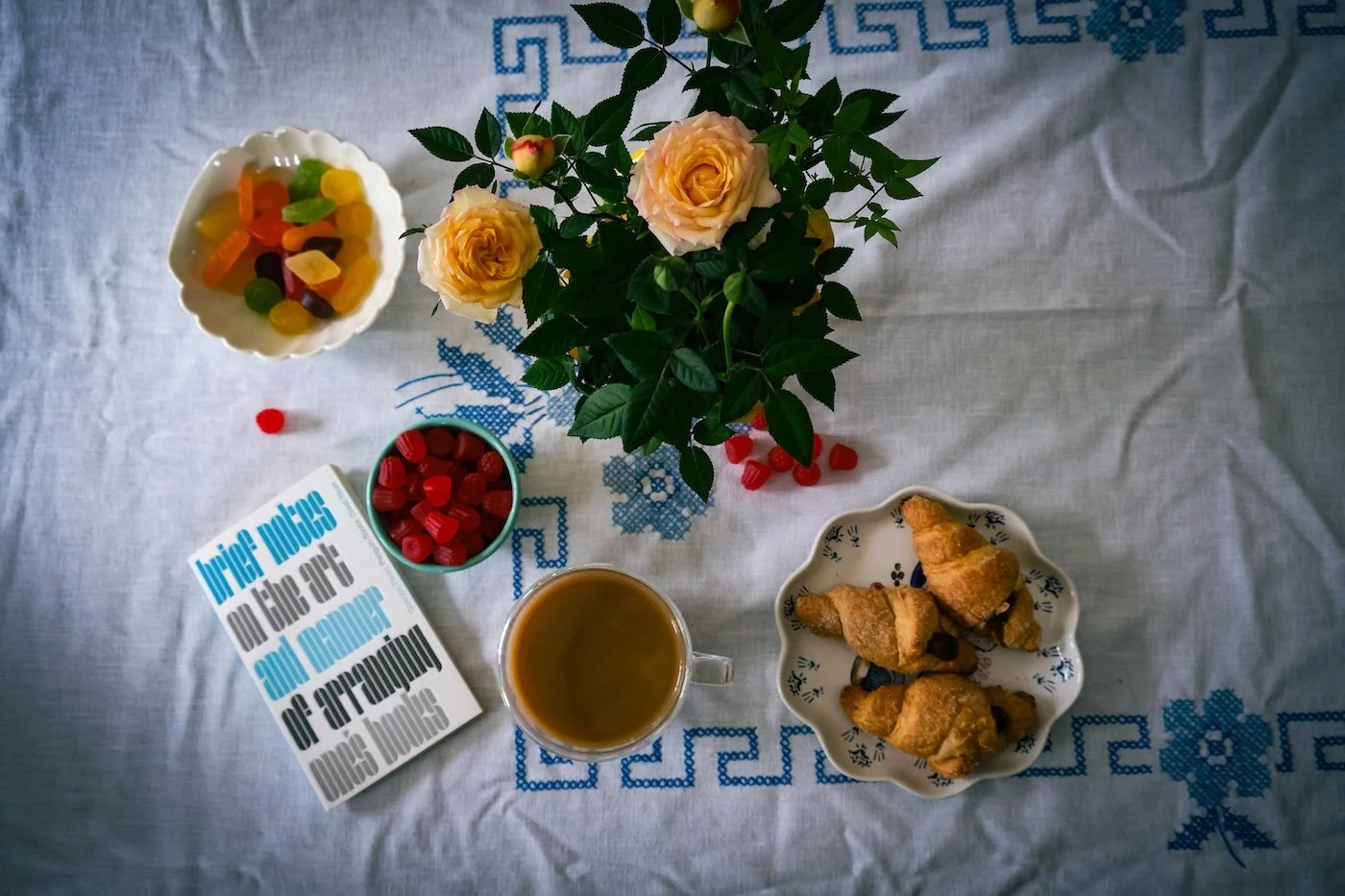
And that’s what I want to think about this next week: delicious books, drinking words like melted chocolate, shocks of beauty, loving life again, and dreaming scenes.
In my book The Flower Can Always Be Changing, I quoted Gustave Flaubert who said, “It is a delicious thing to write, to be no longer yourself but to move in an entire universe of your own creating.” And yes, it is a delicous thing to write, and also to read.
This past week I had been thinking about Robert Frost, as one does, and particularly about the subtitle of his book New Hampshire which is: A Poem with Notes and Grace Notes. So then I went down a rabbit hole looking up what grace notes are, and then came across a review of Frost’s book by Mike Pride in the Concord Monitor. He describes the poems that encompass the Grace Notes section as: “small shatter fragments of clear beauty.” And oh, they are!
So I also want to remember how delicious it is to write and also I want to end with the hope that you all find some grace notes this week, some small shatter fragments of clear beauty.
If you loved reading this post please consider tapping that “support” button below and/or subscribing to get the newsletter in your inbox. And thanks for sharing if you enjoyed! With thanks, Shawna